Adding outlets is a small job that people regret getting wrong. Six inches to the left and the couch would have covered it. Here's how to plan it so the outlets end up where life actually happens.
Walk the room with a cord in your head
Stand where the TV, the desk, the bed, the workbench or the reading chair will be. That's where the outlet goes, at the height that makes sense for the thing plugging into it. Kitchens want outlets every four feet of counter. Garages and shops want 20-amp circuits, and a 240V outlet if there's a welder or a compressor in your future.
Think about what plugs in
- Space heaters, window A/C units and microwaves want their own circuit.
- Anything near water needs GFCI protection: kitchens, baths, garages, laundry, outdoors.
- Kids in the house? Tamper-resistant outlets are code in new work and cheap insurance.
- Charging drawers and nightstands love USB-C outlets.
Prep for the visit
- Move furniture away from the walls where the work is happening.
- Clear access to the panel and, if you have one, the attic or crawlspace hatch.
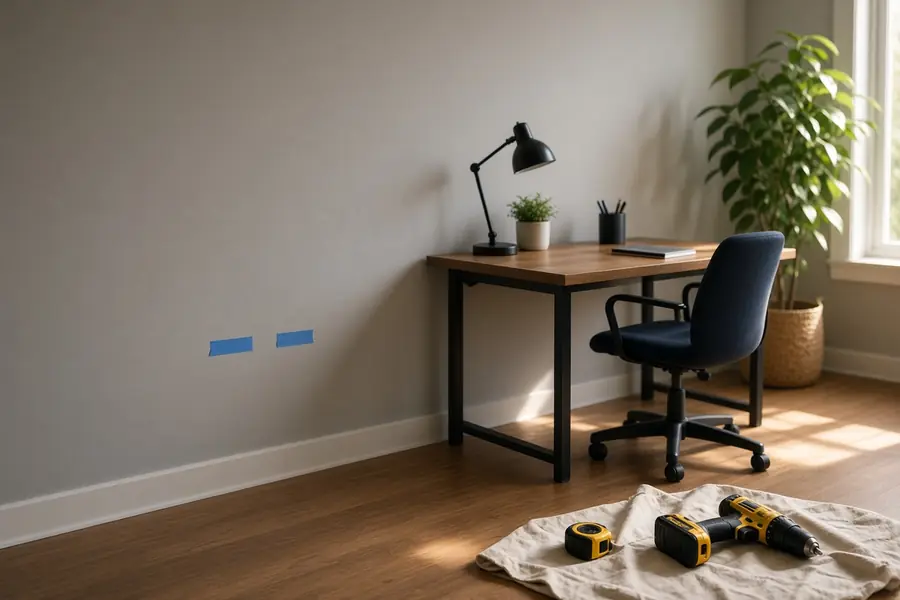
- Mark the spots with painter's tape at the height you want. We'll confirm each one before cutting.
In most finished rooms you'll end up with one clean cover plate and no visible patching. New circuits get a permit where the city requires it, and everything carries a one-year warranty.